When it comes to food and beverage production, Acid Additives really play a crucial role in shaping the final product. I remember reading what Dr. Alice Thompson, a top expert in food chemistry from Food Innovators Inc., mentioned—she said that choosing the right acid additives can do wonders for flavor and even help your products last longer on the shelf. That just shows how important it is to really understand these additives.
These substances aren’t just about tweaking taste; they also act as preservatives, which is pretty critical for manufacturers trying to keep their products fresh and safe. But, honestly, figuring out which additive works best isn’t always smooth sailing. Every acid additive interacts differently with other ingredients, so it’s kind of like a balancing act. Sometimes, despite your effort, the results aren’t exactly what you expected.
And don’t forget, there’s a bit of a downside too. If you don’t use these additives carefully, things can go wrong, leading to reactions that might compromise safety or quality. There’s also the less obvious stuff, like this acid corrosion inhibitor for acid pickling. It’s actually pretty handy for protecting equipment and making sure it lasts longer. Bottom line? Navigating this whole scene takes some experience and a lot of careful thought, but knowing what to consider makes all the difference.

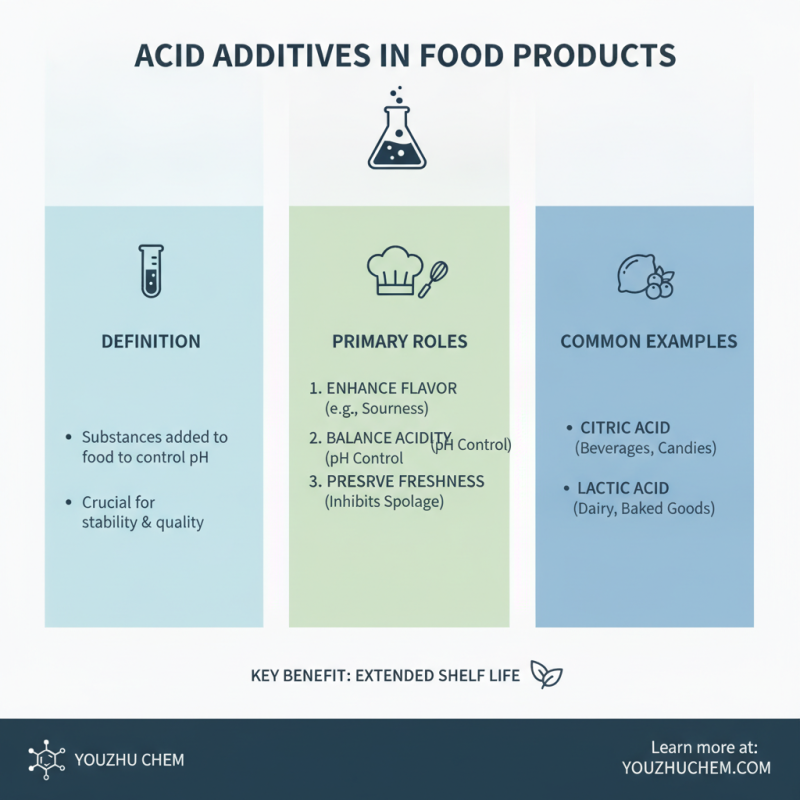
Acid additives play a crucial role in food products. They enhance flavor, balance acidity, and preserve freshness. Acid Stimulation Additives are used extensively in various formulations. Their ability to control pH levels is essential for product stability. For instance, citric acid is common in beverages for its sour taste and preservation qualities. It helps in preventing spoilage and extends shelf life.
Moreover, acid additives like acetic acid contribute unique flavors to sauces. They improve the overall sensory experience of food, making it more appealing. Yet, the use of these additives also warrants careful consideration. Excessive use can impact taste and product quality. Understanding the right balance is vital for food developers. The quality of acid stimulation additives can vary widely. Ensuring consistent performance is crucial for maintaining product standards.
This complexity requires expertise in formulation. Each acid additive serves a specific purpose, and miscalculating their effects can lead to undesirable outcomes. Testing and validation are necessary before finalizing any formulation. The challenge lies in optimizing flavors while ensuring safety and quality. Thus, food manufacturers must remain diligent in their use of acid additives.
Acid Additives play a crucial role in the food industry. They enhance flavor, preserve freshness, and optimize pH levels. Common types include citric acid, acetic acid, and lactic acid. Each offers unique benefits and functions. For instance, citric acid adds a tart flavor to beverages and confections. It also helps prevent spoilage by lowering pH levels.
Acetic acid, found in vinegar, is another popular acid additive. It provides sharpness and acts as a natural preservative. This acid is often used in sauces, marinades, and pickled products. Lactic acid is used in dairy and fermented foods. It contributes to tangy flavors and inhibits unwanted microbial growth.
While these additives are beneficial, it's essential to reflect on their usage. Over-reliance on these substances can lead to imbalance in flavor profiles. Too much acidity can overpower other taste elements. Understanding the right amount is key. Quality control in formulations is vital for maintaining desired taste and safety.
Acid additives play a crucial role in flavor enhancement across various products. They can elevate dull flavors and impart a refreshing tang. These additives often serve functional purposes as well, such as balancing sweetness or acting as preservatives. For instance, citric acid can amplify the brightness of fruit-flavored products, making them more appealing.
Tips: Experiment with different acid levels. Start small and adjust according to taste. Observe how each additive interacts with other ingredients. Always remember, less is often more in flavor balancing.
Certain acids can also influence texture. For example, lactic acid can improve mouthfeel in dairy products. This interaction is vital for achieving that desired creamy consistency. However, be cautious; excessive use may lead to an undesirable sourness that overshadows other flavors. It’s important to taste frequently during development.
Tips: Document your adjustments. Record how each acid alteration affects flavor. This practice can provide insights for future product development. Sometimes, finding the right balance involves trial and error, leading to unexpected but delightful results.
Acid additives play a significant role in food preservation. They help to inhibit microbial growth, thereby extending shelf life. Common acids like citric and lactic acid lower pH levels. This unfavorable environment for many pathogens ensures that food remains safe longer. The use of these additives also enhances flavor and texture, contributing to a better consumer experience.
However, the impacts of these additives are not always straightforward. Some consumers may find synthetic acids unappealing. Natural alternatives are gaining attention, yet they often come with their own challenges. For example, vinegar, a natural preservative, can alter the taste profile of products. Balancing safety and flavor is crucial, yet tricky.
Innovative formulations are needed to make the best use of acid additives. Developing new blends can optimize both preservation and taste. However, testing and quality assurance are essential. There is no one-size-fits-all solution in food preservation. Each product may require a unique approach to find the right balance of acidity.
When selecting acid additives for your products, consider the functionality they offer. Different acids impart unique flavors, enhance preservation, and affect overall stability. Choosing the right acid can influence the texture and taste of food products, making expertise crucial. Each acid has a distinct profile that may not suit all formulations.
Evaluate the sources and purity of acid additives. High-quality additives are essential for safety and efficacy. Conduct a comprehensive risk assessment to understand potential interactions with other ingredients. It is wise to reflect on the compatibility of acid additives with your product's formulation and intended shelf life.
Regulatory compliance is also significant. Familiarize yourself with guidelines in your region. Overlooking legal standards can lead to dire consequences. Moreover, testing in smaller batches can provide insights into how additives behave under real conditions. Each choice shapes product quality and consumer satisfaction. Seek feedback and remain open to adjustments in your formulations.
When considering acid additives for various products, adhering to safety regulations is crucial. The U.S. Environmental Protection Agency (EPA) has established guidelines to ensure that these substances do not harm public health or the environment. According to a 2022 report by the Food and Drug Administration (FDA), approximately 35% of acid additives used in food production required specific safety assessments. Compliance with these standards protects consumers and enhances product credibility.
The importance of transparency cannot be overstated. Companies must disclose the presence of any Acid Fracking Additives in their products. This ensures that consumers are informed and can make safe choices. Inadequate labeling can lead to mistrust. Failure to meet safety standards can have serious repercussions, including product recalls and legal actions.
Tip: Always review the latest safety data regarding acid additives. Look for reports from reputable sources. Staying updated will help your products comply with current regulations.
Additionally, consider third-party certifications for your products. These can verify safety claims and bolster your reputation in the marketplace. Not all acid additives are created equal, and some may pose risks. Regular audits of suppliers and their compliance records can mitigate potential risks.
Tip: Engage with a regulatory expert to navigate complex compliance issues. This investment can save time and resources. Don't overlook the importance of due diligence in your sourcing strategies.
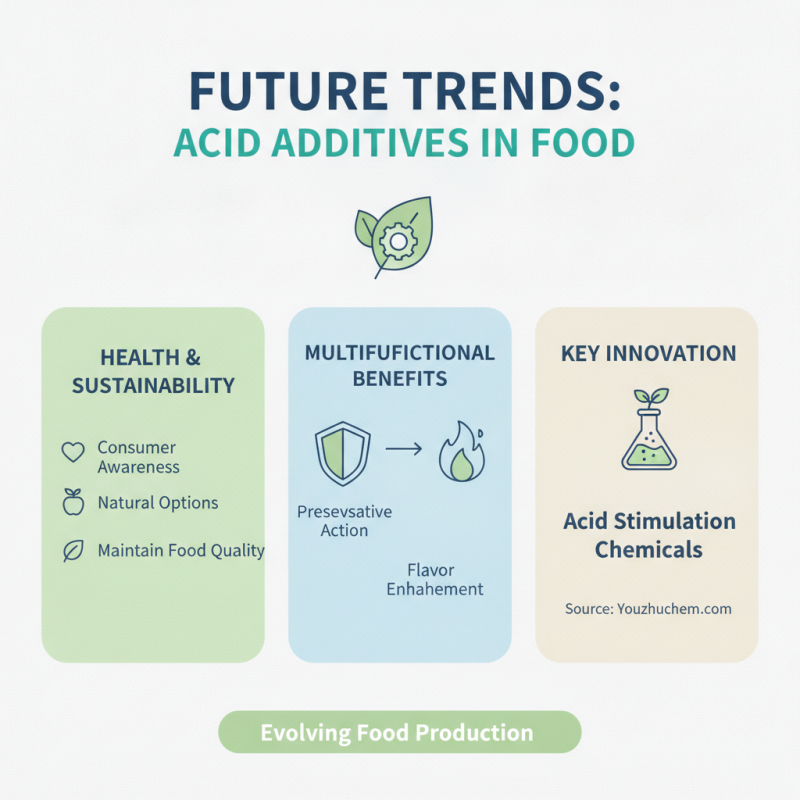
The future of acid additive usage in food production is evolving. Emerging trends focus on health and sustainability. Consumers are more aware of ingredient sources. They seek natural options that maintain food quality. Acid Stimulation Chemicals are gaining attention for their multifunctional benefits. These additives can act as preservatives while enhancing flavor.
One key trend is the shift towards plant-based acids. They are perceived as healthier and more eco-friendly. This shift challenges producers to innovate their formulations. However, balancing taste and safety remains a concern. The variety of acid stimulation chemicals available poses both opportunities and challenges. Each option has unique properties, influencing the final product.
Incorporating these acids requires careful consideration. There’s a need for reliable data on their long-term effects. Regulatory frameworks also play a crucial role in guiding ingredient applications. As producers explore these options, understanding consumer preferences is vital. The market landscape is shifting, and adaptability is essential for success.
: Acid additives enhance flavor, balance acidity, and preserve freshness in food products.
They inhibit microbial growth, extending shelf life while improving flavor and texture.
Yes, too much can lead to undesirable flavors, notably sourness in products.
Testing ensures that acid levels optimize flavor and safety, preventing possible undesirable outcomes.
Certain acids, like lactic acid, improve mouthfeel in dairy, contributing to a creamier consistency.
Not necessarily; while natural acids are appealing, they can change taste profiles significantly.
Start with a small amount and adjust gradually, noting how each acid interacts with other ingredients.
Recording adjustments helps understand how acid changes affect flavor, informing future formulations.
No, each product may require a unique approach to balance acidity effectively.
Developers must balance flavor, safety, and quality while managing varying performance levels of additives.
Acid additives play a vital role in the food industry by enhancing flavor, improving preservation, and extending shelf life. These substances, commonly used to lower pH levels in food products, contribute to taste profiles and act as preservatives against spoilage. Various types of acid additives, including citric acid and acetic acid, are widely utilized due to their functional benefits and effectiveness.
When selecting acid additives for food products, it is essential to consider their safety regulations and standards to ensure consumer health. As the food production landscape evolves, emerging trends in the usage of acid additives are shaping the future, highlighting the need for continued innovation and effective application in enhancing food quality and safety.